
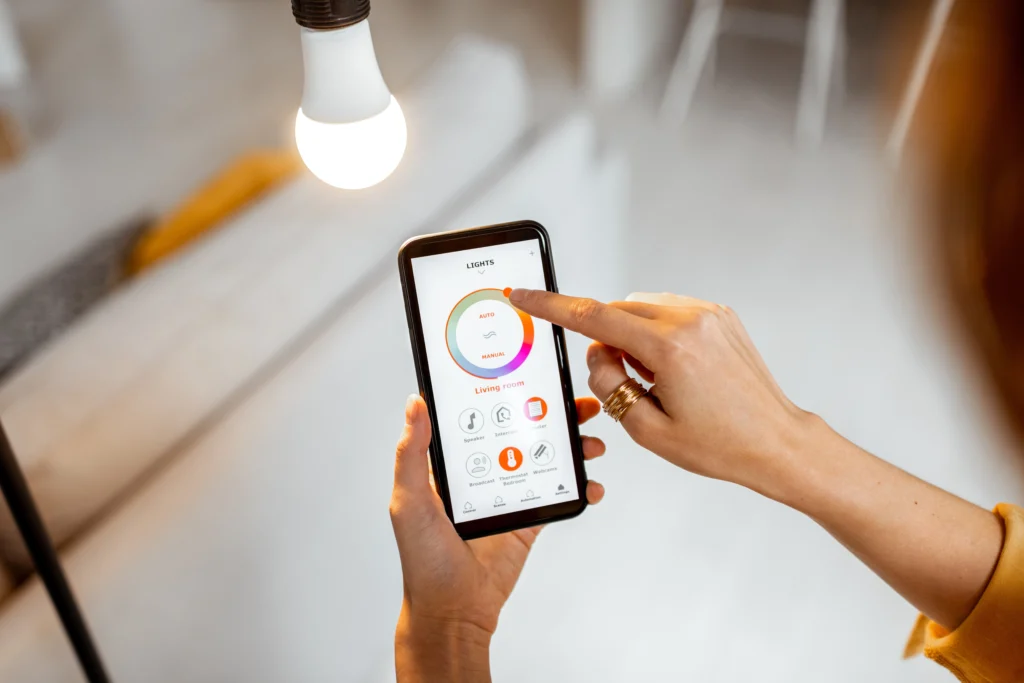
In the era of smart living, efficiency and convenience are now everyday needs rather than just luxuries. Home lighting automation is one of the most significant improvements that homeowners are adopting. Automation transforms typical homes into smart, responsive living areas, from motion-sensor security lighting to voice-activated ambiance. In this blog, we will explain what precisely home lighting automation is, though, and why it is quickly becoming a necessity in contemporary homes.
Home Lighting Automation: Connect, Control, Relax
Home lighting automation means controlling indoor and outdoor lighting through smart devices, automated schedules, and connected systems rather than manual switches. It allows homeowners to manage lighting remotely via smartphones, voice commands, or programmed settings.
Automation can range from something as basic as a timer that activates your porch light at sunset to something as sophisticated as an AI-powered system that modifies the color, brightness, and placement of your lights according to your preferences and activities.
Usually, lighting automation combines the following:
- LED lights with Bluetooth, Wi-Fi, or smart hub connections/smart bulbs.
- Control devices, such as voice assistants (such as Alexa, Google Assistant, or Siri), smartphones, tablets, and specialized remote controls.
- Motion detector sensors, daylight sensors, or occupancy sensors to trigger lighting changes automatically.
- Smart hubs/systems that enable centralized control, such as Control4, Lutron Caséta, or Philips Hue.
Together, these elements give your lighting responsiveness, customization, and energy efficiency.
Key Benefits of Home Lighting Automation
Home lighting automation serves a myriad of key advantages for residential properties and their homeowners. For instance,
Convenience at Your Fingertips
No more walking into a dark room or fumbling for switches. With automation, you can control lights from anywhere—whether you’re in bed, at work, or on vacation. For example, by integrating safety path lighting, your hallway lights will turn on automatically at night when you get out of bed.
Enhanced Security
Smart lighting can simulate occupancy by turning lights on and off at set times, deterring potential intruders. Outdoor automated lights with motion sensors also add an extra layer of protection. For instance, vacation mode lighting turns on in the evening and off at bedtime while you’re away, making it look like you’re home.
Energy Efficiency
Smart lighting can help cut lighting costs by up to 40% annually because lights turn off automatically when rooms are unoccupied, reducing unnecessary power consumption. Smart lighting has motion sensors and can easily detect if nobody’s at home.
Personalised Ambiance
Whether it’s a romantic dinner, movie night, or a productive work session, lighting automation allows you to adjust the brightness and color temperature to suit your mood and activity. For instance, through lighting automation, one voice command dims the living room lights to the perfect viewing level.
Integration with Other Smart Systems
Your lights can work in sync with heating, cooling, or home entertainment systems for a seamless smart home experience. For instance, wake-up lighting gradually increases brightness in your bedroom to mimic sunrise and help you wake up naturally.
Features of Lighting Automation Systems
Here are the popular features of a lighting automation system in homes:
| Feature | Description | Benefit |
| Scheduling | Set lights to turn on/off at specific times | Saves time and energy |
| Dimming Control | Adjust brightness levels remotely or automatically | Creates mood and reduces energy use |
| Color Customization | Change light colors for different events | Enhances ambiance |
| Motion Activation | Lights activate when movement is detected | Improves security and safety |
| Voice Control | Use Alexa, Google, or Siri to manage lights | Hands-free convenience |
| Geo-Fencing | Lights respond to your location (e.g., turn on when you arrive home) | Personalized experience |
Average Cost of Home Lighting Automation:
The cost of home lighting automation varies widely depending on the scope:
- Basic DIY setups (smart bulbs + phone app): $10 to $50 per bulb:
- Mid-range systems (smart switches, multiple rooms): $85 to $150
- High-end whole-home automation: $2000 to $6000
While the upfront investment may seem high, the long-term savings include reduced energy bills, improved home value, and added convenience, making it worthwhile for many homeowners.
Choosing the Right Home Lighting Automation System
When deciding on a lighting automation system, there are key things to consider:
- Check Compatibility: Ensure bulbs, switches, and hubs work together.
- Ensure Scalability: Choose a system you can expand over time.
- Select Control Options: App, voice, or remote—pick what suits your lifestyle.
- Smart Integration: If you already have smart home devices, select a system that works with them.
- Decide on a Budget: Balance features with what you’re willing to invest.
Conclusion:
Home lighting automation transforms the way we interact with our living spaces. From boosting security and energy savings to enhancing comfort and style, it’s a smart upgrade that aligns with the pace and demands of 21st-century living. Whether you start with a single room or go for full-home integration, automation puts you in complete control—making your home not just brighter but smarter.
FAQs:
How to automate home lighting?
To automate home lighting, smart bulbs are the perfect choice.
What is an automated lighting system?
Automated lighting systems use technology to regulate how lights are turned on in spaces based on the time of day, usage, occupancy, and ambient light levels.
What is smart lighting in a home automation system?
Smart lighting connects to a smartphone app or other smart devices, allowing them to be automated.